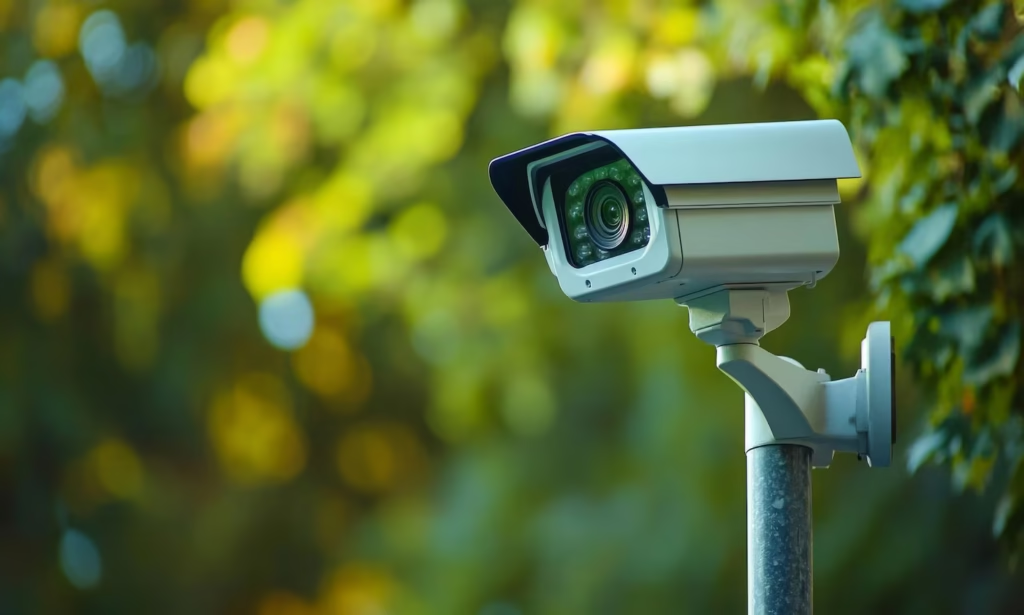
A CCTV camera in Singapore setup works best when it matches the property type first and the budget second, since a landed house, a condo unit, and a shop lot each have different coverage needs and different rules on where a lens can legally point. Most HDB and condo owners land somewhere between S$300 and S$1,500 for a basic 2 to 4 camera system, while landed properties with perimeter coverage often run S$2,000 to S$5,000 once wiring and NVR storage get added in.
Shine Security, a Singapore-based security systems installer, sees the most common mistake as buying camera count before buying camera placement, which almost always means blind spots at the one entry point that mattered.
What Is the Best CCTV Camera Setup for a Singapore Home
There is no single best setup, but there is a best starting point: cover every entry a person could walk through before covering anything else. A landed house needs different math than a condo unit, since a condo already has building-level CCTV at lobbies and lifts, so a resident is really only filling the gap inside their own door.
- HDB and condo units generally need 1 camera at the main door and 1 covering the living or kitchen area, sometimes a third for a back service yard
- Landed properties need coverage at the main gate, front door, and any side or rear access, plus a wide-angle camera on the driveway if a car is parked there overnight
- Shophouses and small retail units need a camera at the entrance facing outward and one at the till or cash point, angled to avoid capturing PIN pads directly
A setup that skips the actual walk-through of a property, room by room, tends to end up with two cameras aimed at the same hallway and none at the side gate.
Wired vs Wireless CCTV Camera Which One Actually Works Better in Singapore
Singapore’s climate and building density make this less of a personal preference than most comparison articles suggest. Wired systems, usually PoE (power over Ethernet), hold up better in humidity and don’t suffer the signal drop that wireless cameras get from concrete party walls in HDB blocks, which is the single biggest complaint in wireless CCTV reviews on forums like HardwareZone’s home security threads. Wireless units win on installation speed and are the only realistic option for rental units where drilling isn’t allowed. For a landed property with an existing renovation in progress, wired is worth the extra labor cost; for a rented condo or a quick retrofit, wireless closes the gap fast enough that the difference in footage reliability rarely shows up in daily use.
How Much Does CCTV Installation Cost in Singapore
Price swings more on camera count and storage type than on brand name, which surprises a lot of first-time buyers comparing quotes.
- A basic 2 to 4 camera DIY wireless kit runs roughly S$150 to S$500 for the hardware alone, before any professional installation fee
- A professionally installed 4 to 6 camera PoE system with an NVR (network video recorder) typically lands between S$800 and S$2,500 depending on cable runs and camera resolution
- Cloud storage subscriptions, where used instead of local NVR storage, generally add S$5 to S$20 a month per camera depending on retention period and resolution
- Landed properties needing full perimeter coverage with 8 or more cameras can exceed S$4,000 once trenching for underground cabling is involved
Local NVR storage avoids the monthly fee entirely but means footage is lost if the recorder itself is stolen or damaged, so a fair number of installers now recommend running both.
Can I Legally Point My CCTV Camera at My Neighbor's Property in Singapore
No, not directly, and this is one of the more common disputes Singapore’s Personal Data Protection Commission (PDPC) handles. The PDPC’s guidance on CCTV use states that a camera placed to capture personal data of individuals, including footage that incidentally records a neighbor’s unit, garden, or window, can fall under the Personal Data Protection Act if the footage collection isn’t reasonably limited to the resident’s own property. A camera angled at a shared corridor or a common HDB void deck is generally fine since building management already covers those spaces, but a camera deliberately angled into a neighbor’s window has led to actual PDPC complaints and mediation cases reported in local news. Angling a camera down and inward toward one’s own doorstep, rather than out and across, avoids most of this entirely.
What Do Singapore Homeowners Say about Their CCTV Systems
Reviews on installer Google listings and property forums tend to agree on a narrower set of complaints than the marketing copy suggests: poor night vision in low-light HDB corridors, app lag during peak home Wi-Fi hours, and installers who oversell camera count without checking sightlines first. A useful cross-check before booking any installer is comparing reviews across a few independent sources rather than relying on the company’s own testimonials page, and directories such as TheBestInSG list security and home services suppliers alongside verified reviews for exactly this reason. Word of mouth in this category increasingly runs through home and lifestyle content creators as well, many of whom connect with brands via platforms like GetMyInfluencer, and for readers outside Singapore comparing similar setups regionally, TheBestin.World tracks equivalent local service directories city by city.
Why Shine Security
Shine Security installs both wired PoE and wireless CCTV systems across HDB, condo, landed, and commercial properties in Singapore, with technicians who do a site walk-through before quoting rather than pricing off a phone call. The team handles NVR setup, cloud storage configuration, and the PDPC-compliant angling questions that trip up a lot of DIY installs, particularly for landed homes with shared boundary walls. Warranty terms and response times for faulty units are worth confirming directly, since these vary by package and aren’t always spelled out upfront in online quotes. What sets an installer apart in this space usually comes down to whether they show up again after the sale, not how the initial system looks on day one.
Conclusion
Getting the setup right starts with mapping actual entry points, not counting cameras, and that single shift in thinking prevents most of the blind spots homeowners discover only after something’s gone missing. Budget and property type decide the hardware; PDPC rules decide the angles; and the installer decides whether any of it still works properly a year from now. Anyone weighing options for a CCTV camera in Singapore setup can reach out to Shine Security for a property walk-through and a quote based on actual coverage needs rather than a generic package!