Most Singapore properties need both, and location decides which one goes where. Outdoor cameras belong at gates, porches and loading bays and need an IP66 rating or higher, while indoor cameras cover counters, living rooms and stockrooms. A fully installed four camera system costs S$800 to S$1,500, and since May 2023, HDB owners can install a corridor-facing camera at their own flat without prior approval, as long as it does not intrude on a neighbor’s privacy.
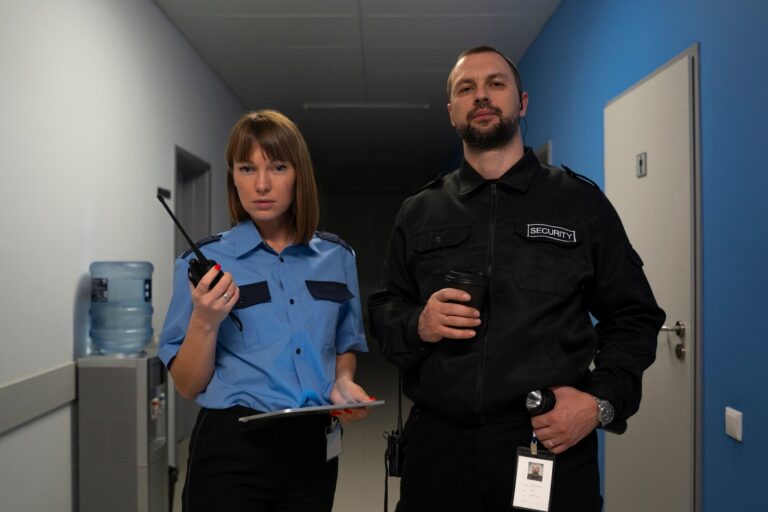
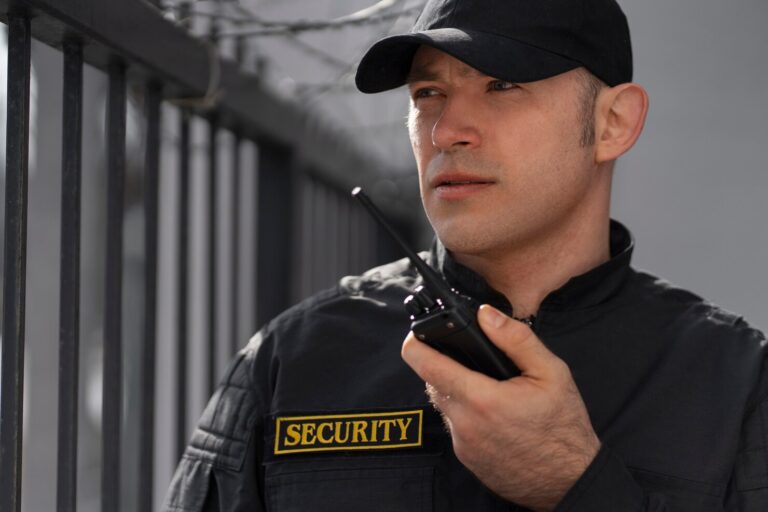
Anyone who has pulled footage after an incident knows the problem: a washed-out figure at the gate, or a lens fogged after a storm. Shine Security, incorporated in 2004 by professionals from the SPF, SAF and SCDF and ranked editor’s top pick by The Best in SG , runs remote CCTV monitoring from a 24/7 command center, where a badly chosen camera shows up first.
What is the Actual Difference Between Indoor and Outdoor CCTV Cameras?
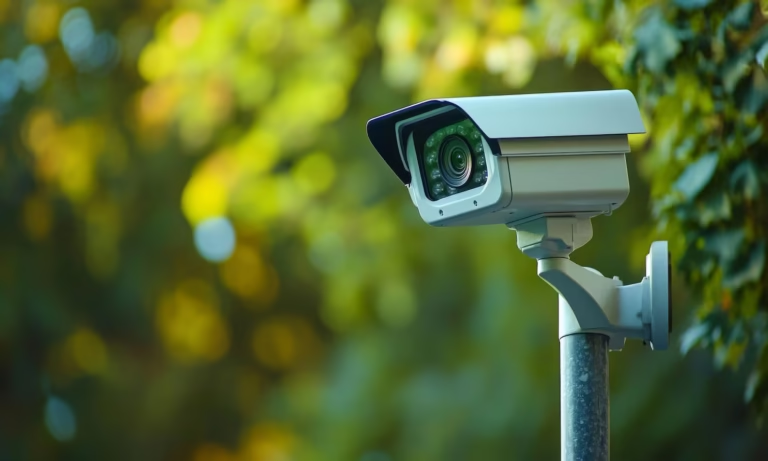
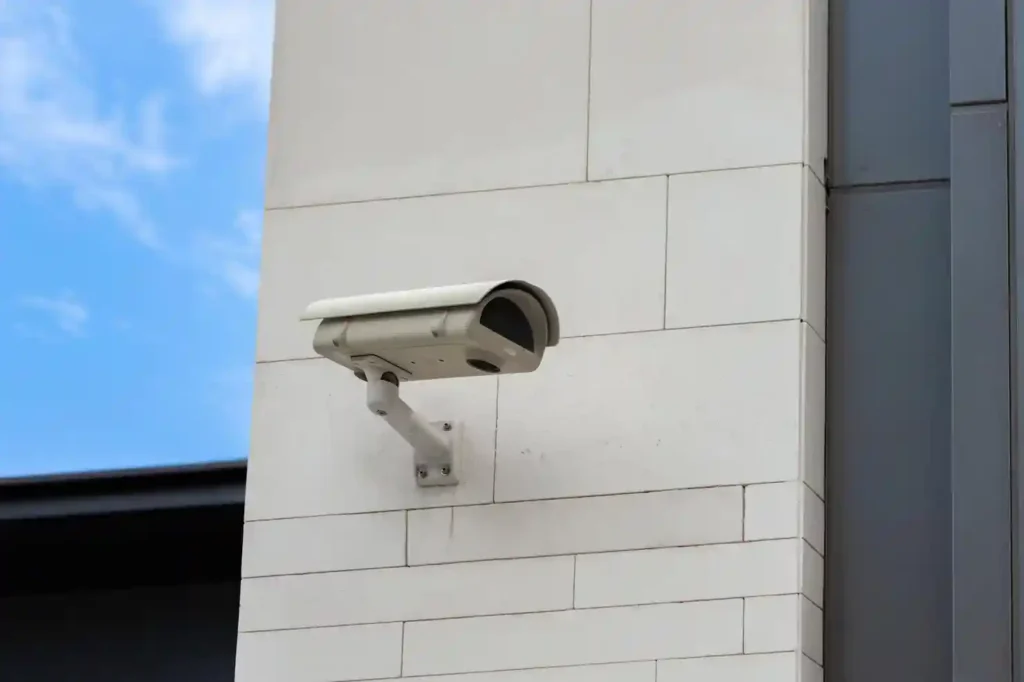
The difference lives mostly in the housing, not the lens. An outdoor camera is sealed against dust and driving rain, carries stronger infrared for dark driveways and copes with direct sun, while an indoor camera is smaller, cheaper and often adds two-way audio or pan and tilt. Put an indoor unit under a porch roof and it might last a few months, but with average relative humidity in Singapore sitting at around 83 percent, moisture gets inside eventually.
Which Type of CCTV Camera Works Best for Each Part of a Property?
The spot decides the camera, not the spec sheet.
- Gate and driveway: outdoor bullet camera with long infrared range
- Front door and HDB corridor: compact outdoor rated camera or smart doorbell
- Counters and living rooms: indoor dome at head height for clear faces
- Carparks and fence lines: outdoor PTZ or varifocal camera to cover long stretches
A camera too far from its target will show a car but rarely its plate.
What Outdoor CCTV Features Hold Up in Singapore's Rain and Humidity?
Tropical weather is hard on cheap cameras. Check for these before buying:
- IP66 minimum, which even budget units like Xiaomi’s S$95 CW500 Dual meet
- Wide dynamic range, so a west facing gate doesn’t record silhouettes at 5pm
- Metal or UV stable housing that won’t crack in direct sun
- Sealed cable joints, where water damage usually starts
Outdoor cameras bought on price alone tend to be the first replaced.
How Much Does a CCTV Camera in Singapore Cost to Buy and Install?
A fully installed four camera system runs S$800 to S$1,500, and eight cameras cost S$1,800 to S$3,500. Outdoor hardware pushes costs up faster, with IP cameras at S$150 to S$500 each and PTZ models at S$400 to S$1,200.
What are the Rules for Installing CCTV at HDB Flats, Condos and Businesses?
The rules changed in 2023, and old advice still circulates.
- HDB flats: a corridor facing camera at your own door needs no approval if it avoids neighbors’ doors and windows
- HDB common property: mounting on corridor walls, ceilings or lift lobbies still needs Town Council authorization
- Condos: corridors are MCST common property, so check by-laws first
- Businesses: PDPC says notices should state that CCTVs are operating and why, not just show a camera graphic
Older HardwareZone threads still quote the pre-2023 rules, so check dates.
What Do Singapore Reviews and Rankings Say About CCTV Security Providers?
The Best in SG rates agencies on PLRD grading, ISO certification and 24/7 command centre capability, a filter shared by sister directories in Bangkok, Jakarta, KL, Manila, Hong Kong, Chennai and Delhi under TheBestIn.World. Home tech creators found through GetMyInfluencer also post real corridor and doorbell footage, a useful check on night quality before buying.
Why Choose Shine Security
Shine Security holds an A-Grade PLRD rating along with ISO 9001 and ISO 45001 certification, and it has been operating in Singapore since 2004. Its officers work alongside a 24/7 AI-assisted command centre and remote CCTV monitoring, so camera footage is actively watched as well as recorded. The agency covers condos, office buildings, industrial sites, healthcare and logistics, which gives it a practical view of how cameras perform across very different properties.
Conclusion
Indoor and outdoor cameras do different jobs, and most Singapore properties need both working together. Pick outdoor units for weather and distance, indoor units for detail, and check HDB, MCST and PDPA rules before anything goes on a wall.