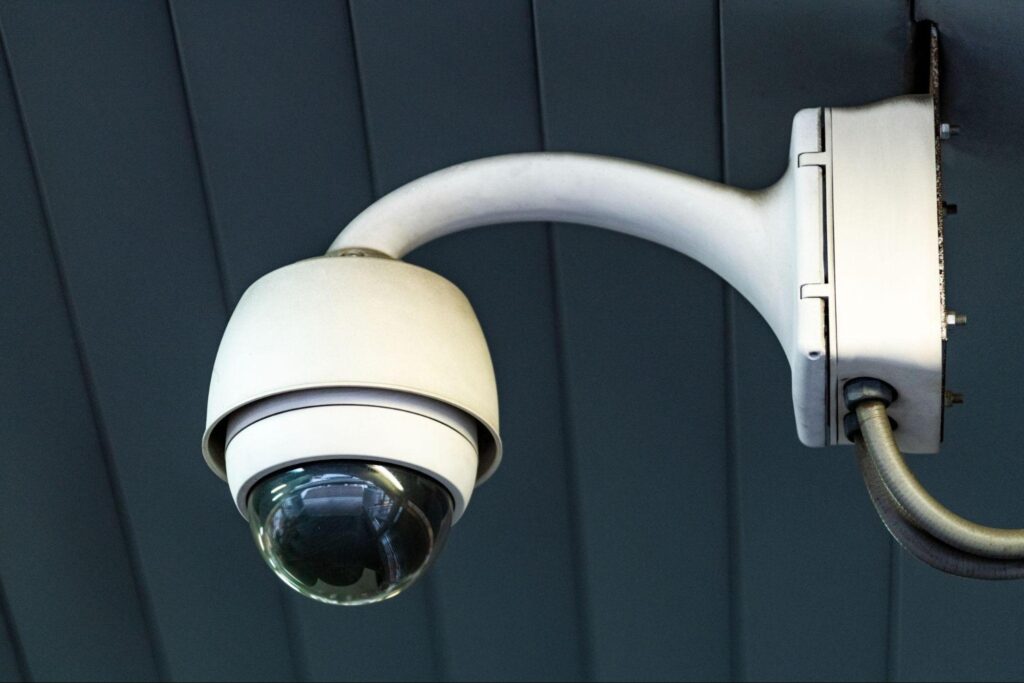
Closed-Circuit Television (CCTV) monitoring uses video cameras to transmit signals to a central location. However, simply installing cameras is not security. A standard setup is often just a passive tool that records events for later viewing, long after the damage has occurred. To truly safeguard a property, you must move beyond passive recording and adopt active, real-time monitoring.
Unlike passive recording, continuous monitoring transforms a static camera system into a precautionary defense mechanism. It is a professional service in which trained experts oversee your site in real time. Instead of just archiving data on a hard drive, this ensures that someone is constantly surveying your property. By integrating human expertise with technology, 24-hour CCTV monitoring changes the dynamic from investigating a crime to preventing one.
How Does a CCTV Monitoring System Work?
A professional CCTV monitoring system operates through a structured workflow that transforms passive video data into actionable security intelligence. This process consists of these steps:
Step 1: Camera and Network Setup
Before deployment, a professional security service company conducts a comprehensive feasibility analysis. This assessment identifies blind spots and determines if existing equipment is compatible or if a new configuration is required to monitor security cameras effectively.
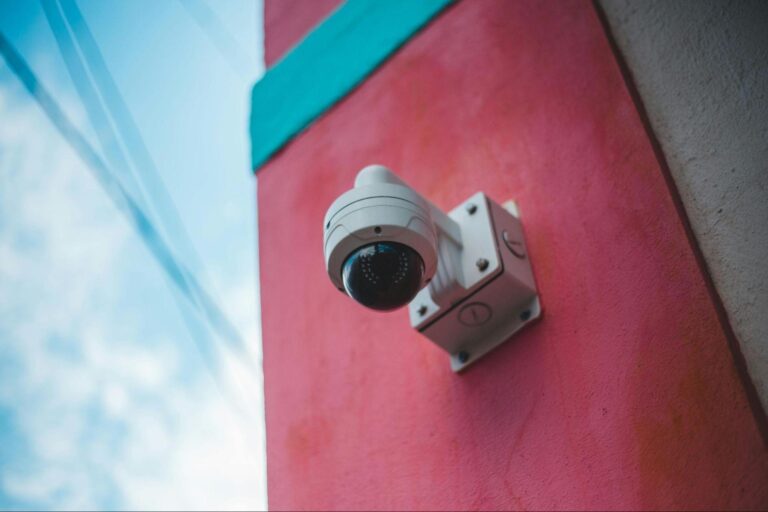
High-definition IP cameras are then strategically installed to cover critical entry points and high-risk zones. These devices capture video and transmit encrypted data over a secure network to a central location.
Step 2: Centralised or Remote Viewing
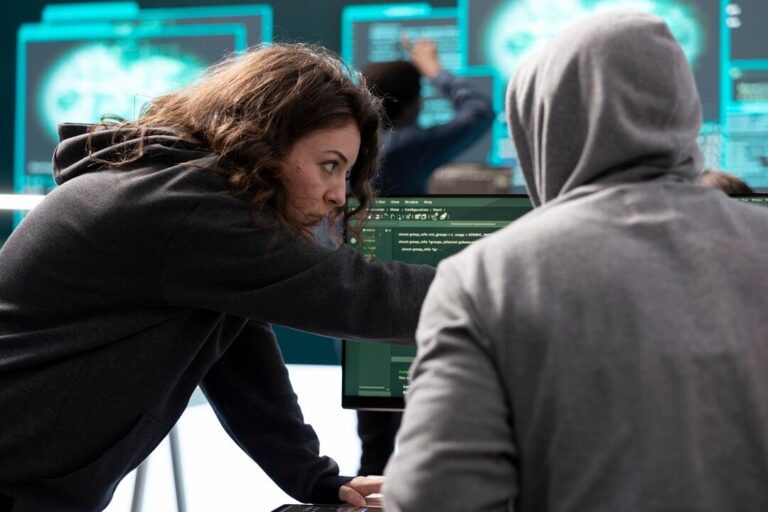
Video feeds are routed directly to Shine Security’s 24/7 command centre solution. The system uses advanced video analytics rather than relying on operators to stare at static screens, which often causes fatigue.
This software actively scans for pre-defined parameters, such as a person entering a restricted zone after hours or a vehicle loitering at a loading bay. When the system detects an anomaly, it instantly bookmarks the event and triggers an alert for human review.
Step 3: Recording and Archiving
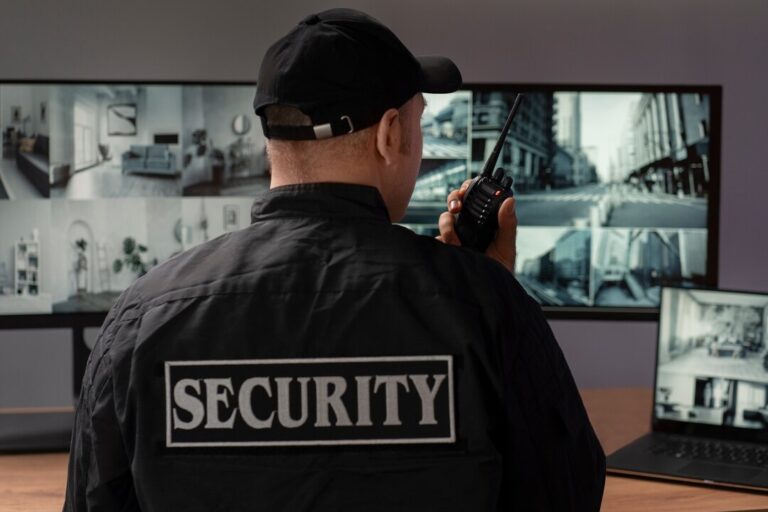
Once a notification is generated, it is pushed immediately to a trained officer in the security control room. While the system automatically records and archives high-resolution footage for evidence, an experienced operator must review the feed to confirm the threat.
The operator reviews the live feed to distinguish a genuine threat from a false alarm, such as a stray animal or wind-blown debris. This verification step is crucial, as it prevents unnecessary panic and ensures that emergency resources are only deployed for actual security breaches.
Step 4: Real-time Alerts and Alarms
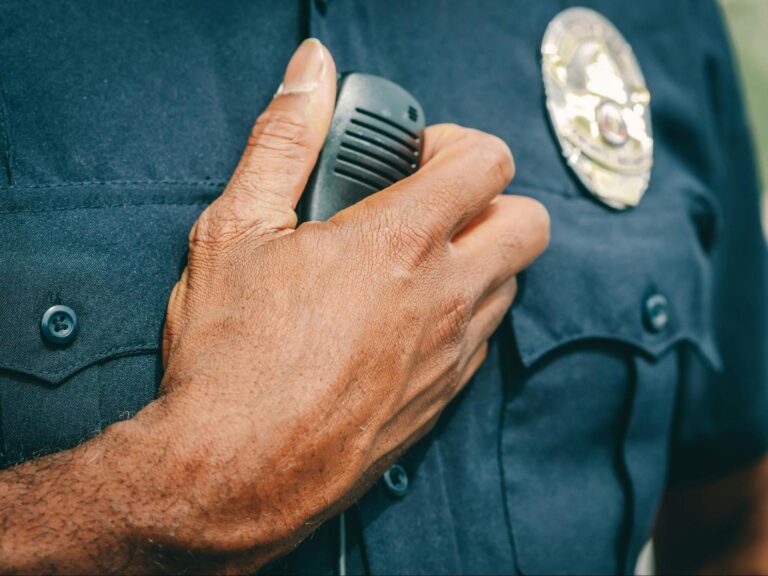
Upon verifying a threat, the monitor surveillance protocol shifts to immediate response. The operator takes immediate action in accordance with agreed Standard Operating Procedures (SOPs). This often involves using two-way audio speakers to verbally warn the intruder that they are being watched, which frequently causes them to flee.
Simultaneously, the operator may contact law enforcement, notify the facility manager, or dispatch on-site security personnel to intercept the threat, ensuring a rapid and coordinated resolution.
What is the Purpose of CCTV Monitoring?
The primary purpose of CCTV monitoring is proactive security and crime deterrence. Active monitoring stops incidents as they happen because the knowledge that a site is under surveillance acts as a deterrent. It provides a rapid response capability that passive recording cannot match.
These monitoring systems also enhance safety and operational efficiency. They are routinely used to monitor high-traffic or high-risk areas in industrial plants, manage traffic flow in commercial hubs, and facilitate efficient logistics live video monitoring for warehouses and distribution centres.
Beyond efficiency, a remote CCTV monitoring service is often more cost-effective for large areas such as warehouses or car parks than stationing multiple physical guards. This allows manpower to be optimised for high-value touchpoints. In sectors like healthcare, smart monitoring identifies potential medical crises and triggers warnings for immediate help.
Activate Your Security Partner with Shine’s 24/7 Command Centre
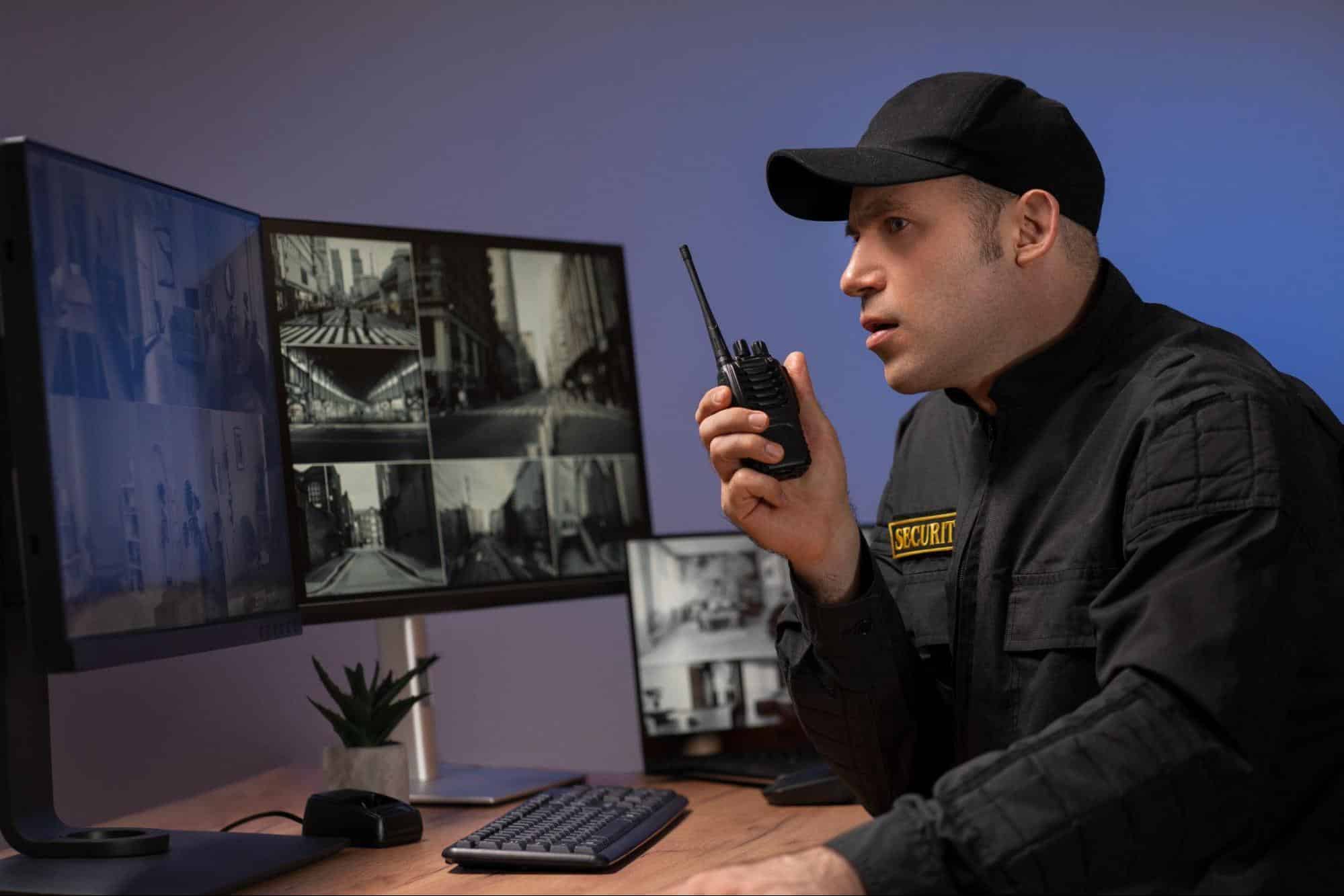
24/7 CCTV monitoring transforms passive video data into actionable security intelligence, shifting the focus from documenting a loss to preventing one in real time.
As a professional security service company in Singapore, Shine Security is your ISO-certified partner in preemptive, technology-driven protection. Our solutions provide the round-the-clock active monitoring and immediate human response needed to protect your assets.
Partner with Shine Security today to learn how our remote CCTV monitoring service can provide peace of mind.