Singapore’s position as a global MICE (meetings, incentives, conferences, and exhibitions) hub means event organisers are held to exceptionally high standards of safety and compliance. In reality, most failures in event security are not caused by poor execution, but by gaps in early planning.
A well-executed event security plan is not something you assemble at the last minute. It is a structured process that begins the moment a venue and date are confirmed, especially when engaging a reliable security service in Singapore.
This guide walks through the key components of professional event security planning and provides a practical framework for event organisers, corporate planners, and property managers who need to understand what effective security planning actually involves.
Key Components of an Event Security Plan
1. Risk Assessment
Event security planning starts with risk assessment. This involves identifying potential threats such as:
- Crowd surges and overcrowding
- Medical emergencies
- Unauthorised access
- Operational disruptions
It also considers event type, expected crowd size, audience profile, venue layout, and VIP or high-profile attendance. The level of risk determines everything downstream: staffing numbers, access control, and emergency protocols.
2. Venue Security and Site Planning
A secure event needs an on-site walkthrough, not just a review of floor plans. A physical assessment by a security professional ensures the plan reflects real conditions and minimises blind spots.
This includes:
- Mapping entry and exit points
- Defining secure zones
- Establishing perimeter control
- Managing vehicle access and parking
3. Access Control and Credentialing
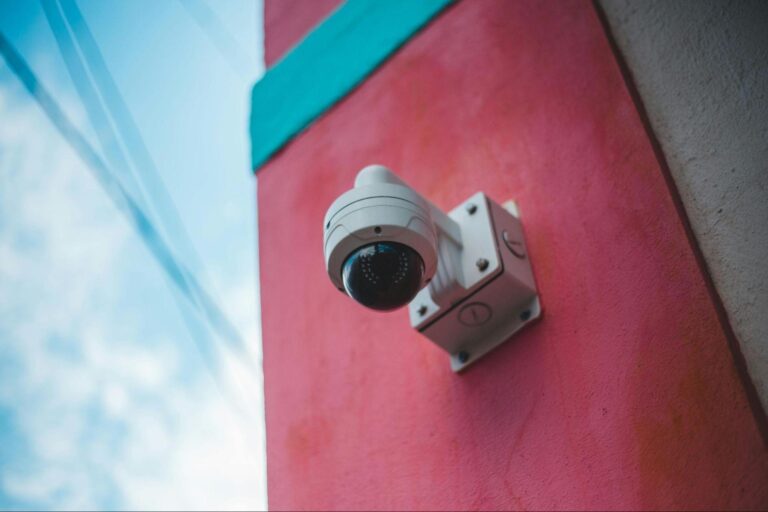
Access control prevents unauthorised entry and security breaches. Technology like CCTV monitoring increases visibility, speeds threat detection, and strengthens special event security.
Effective measures include:
- Tiered credentials separating general attendees, staff, vendors and VIPs
- Ticket and identity verification processes
- Bag checks and controlled screening points
4. Crowd Management Strategy
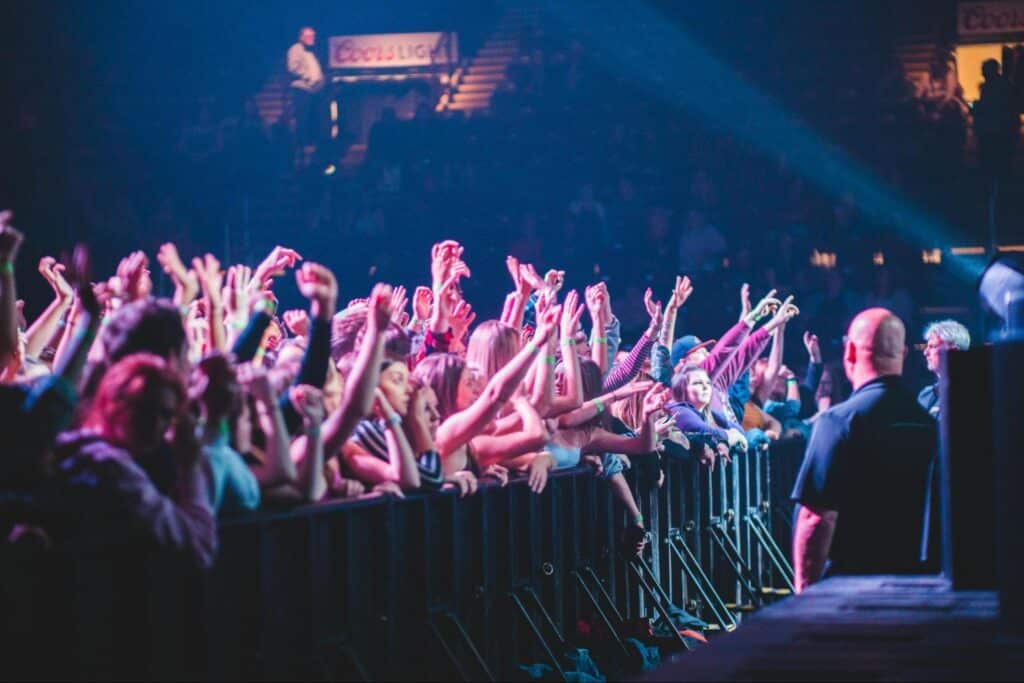
Plan crowd management to maintain security and prevent escalation at special events, backed by trained security guards in Singapore for crowd control and coordination.
Key elements include:
- Queue systems and barrier placement
- Identification of bottlenecks and high-density zones
- Capacity limits for sections
- Pre-positioning trained personnel
5. Emergency Procedures and Communication Plan
Clear emergency protocols and communication enable fast, coordinated incident response, which is critical for effective security for special events.
A complete plan includes:
- Evacuation routes and assembly points
- Medical response procedures
- Incident escalation workflows
How to Plan Security for an Event
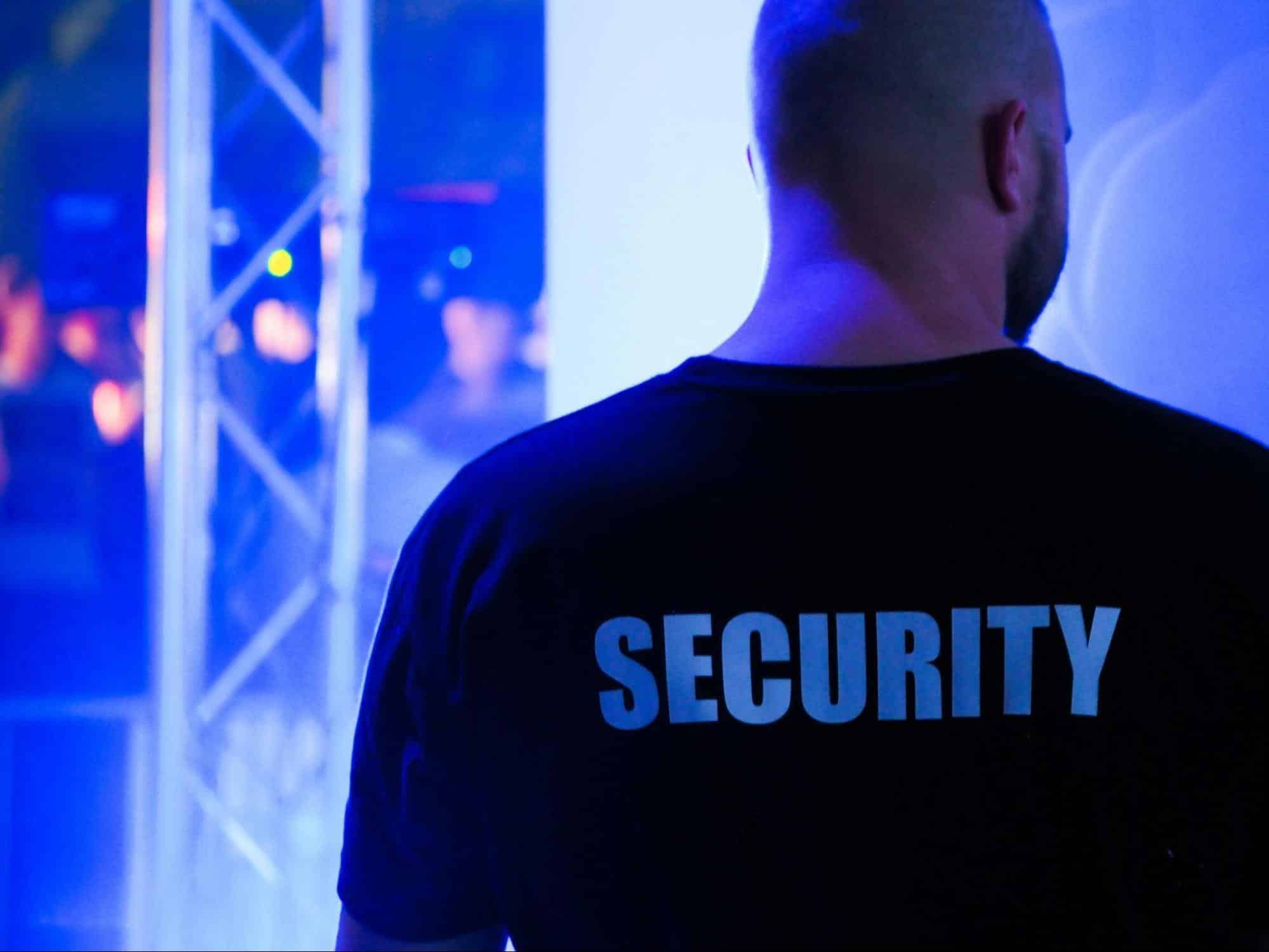
Effective event security means assessing risks, controlling access, managing crowds, and preparing emergency protocols. This defines the role of event security: protecting people, assets, and operations while ensuring safety and compliance.
- Step 1: Conduct the Risk Assessment
Evaluate event type, audience, location, and potential threats to establish a clear risk profile.
- Step 2: Define and Tailor Security Measures
Match staffing levels, access control systems, and monitoring tools to the specific risks identified. Avoid generic security plans that do not account for the unique characteristics of your event.
- Step 3: Engage a Licensed Security Partner Early
A professional event security provider should be brought in during the planning phase, not just for execution. An A-Grade, ISO-certified provider like Shine Security ensures compliance and professionalism from day one. Early engagement allows for collaborative site assessments and coordination with venue management and, where required, local authorities.
- Step 4: Brief and Deploy
Ensure all officers understand site SOPs, emergency procedures, and communications before deployment.
- Step 5: Monitor and Respond in Real Time
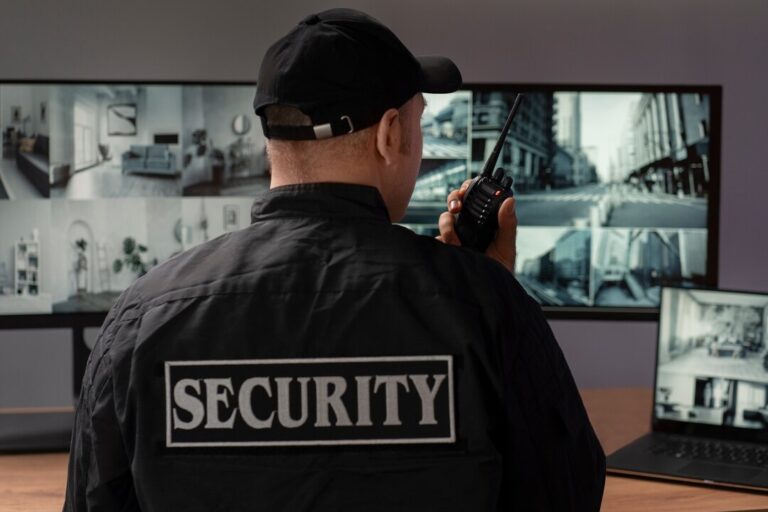
AI-powered command centres provide live venue visibility, enabling faster responses and coordination.
- Step 6: Post-Event Review
A structured debrief identifies gaps and improves future event planning processes.
Plan Your Next Event with Shine Security
The difference between a secure event and an incident is almost always traceable to the quality of planning, not the size of the security team deployed on the day. Shine Security works alongside you from the start, combining experienced officers with AI-powered monitoring for real-time oversight.
With our leadership bringing years of security expertise and the company holding A-Grade PLRD licensing and ISO 9001 & 45001 certifications, we ensure your event is secure and compliant with the Public Order Act 2009, no matter its size.
Start early with Shine Security for true peace of mind on your event day.