When thinking about security guards versus security officers, many people assume they mean the same thing. In everyday conversation, that is often true. However, in a professional and regulatory setting, the distinction matters for hiring, compliance and operational effectiveness.
Understanding the differences between a security guard and a security officer helps property owners, businesses, and MCSTs choose the right security provider and decide what level of protection their property needs.
How the Terms Are Used
People often use “security guard” and “security officer” interchangeably. Both keep places safe, watch over property, and handle incidents. Because of this overlap, it can be difficult to know what each person is trained to do.
What is a Security Guard?
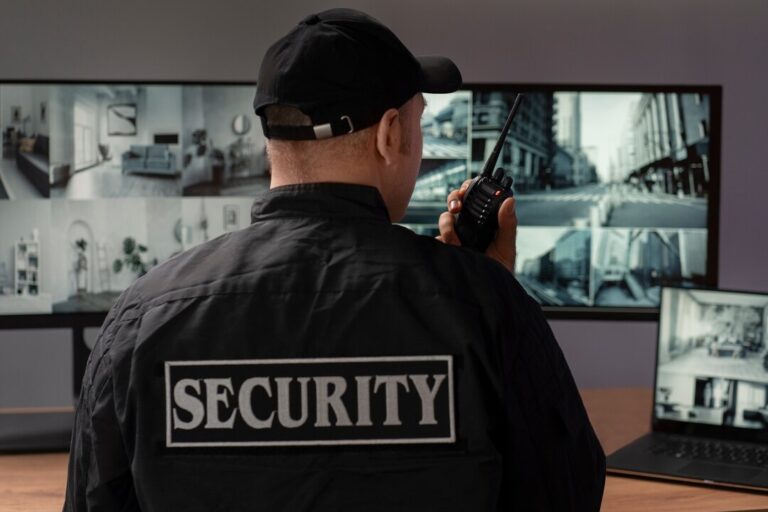
A security guard is usually an entry-level role. They are often posted at one spot, such as a guardhouse, gate, or lobby, and follow a set list of tasks. These tasks include monitoring CCTV, reviewing visitor logs, and conducting regular patrols. Their work is structured and follows clear procedures.
What is a Security Officer?
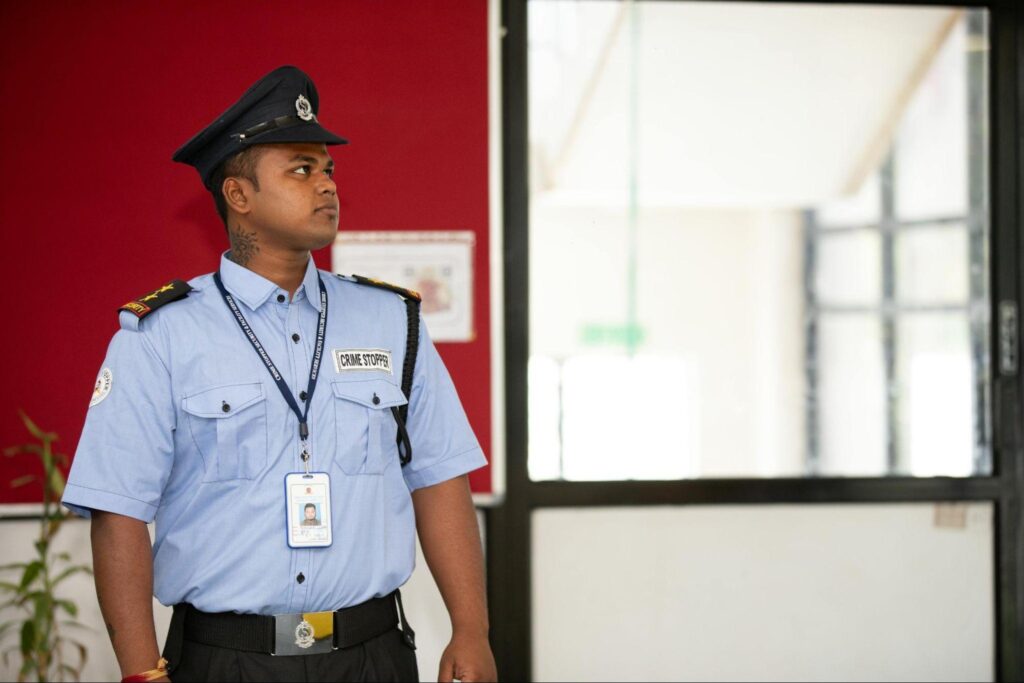
A security officer, on the other hand, is usually more experienced and has broader training. They may perform some of the same tasks as guards, but they are also expected to make decisions, manage operations, and assume greater responsibility. This can include supervising teams, coordinating incident responses, and ensuring the entire site meets security standards.
In Singapore, the distinction becomes clearer from a regulatory perspective. Under the Police Licensing & Regulatory Department (PLRD), all licensed security personnel must hold a Security Officer (SO) Licence. This means that regardless of whether someone is referred to as a “guard” or “officer” on-site, the official and legal designation is “security officer.”
What are the Differences Between a Security Guard and a Security Officer
The comparison between a security officer and a security guard becomes clearer when looking at their real-world roles. They differ in terms of responsibility, authority, training, and deployment, all of which affect how well a site is protected.
1. Scope of Responsibility
One main difference between a security guard and an officer is the scope of responsibility. A security guard typically operates within a limited and clearly defined area. Their duties focus on one post and follow a checklist. This includes live-video monitoring, reporting incidents, and ensuring procedures are followed.
On the other hand, a security officer has a broader scope. They are responsible for maintaining awareness across an entire site or even multiple locations. This includes assessing risks, coordinating between different team members, and adapting to changing conditions. Rather than simply following instructions, they play a more active role in managing the overall security environment.
2. Authority and Decision-Making
Another key distinction is authority. A security guard usually has limited authority. Their job is to observe, report, and escalate issues in accordance with established procedures. They are not expected to make independent decisions outside their assigned tasks.
In contrast, a security officer can act quickly during incidents. They may take immediate action, work with law enforcement (Police or SCDF), and handle situations on the spot without waiting for supervisory instruction. This responsibility requires experience, training, and confidence.
3. Training and Certification
In Singapore, both roles have the same basic training. All licensed personnel, whether called guards or officers, must complete Workforce Skills Qualifications (WSQ) training and meet PLRD licensing requirements.
Beyond this baseline, security officers often undergo additional training. This can include courses on incident management, risk assessment, and team supervision. These additional competencies reflect the increased responsibility associated with the role.
For clients evaluating providers, this distinction is important. The depth of training directly impacts how effectively personnel can respond to real-world situations.
4. Mobility and Deployment
Deployment is another area where the distinction between a security guard and a security officer is clear. As mentioned earlier, security guards usually stay at fixed locations. Their job is tied to one post, like an entrance, control room, or checkpoint. They do not move around much, and their duties are limited to that area.
Security officers are often more mobile. They may patrol several areas, oversee various posts, and ensure everyone is doing their job properly. This mobility helps them keep a broad view of site security and respond quickly to new issues.
What This Means in Singapore’s Regulatory Context
Under the Private Security Industry Act, all security personnel deployed by licensed agencies must hold a valid SO Licence issued by the PLRD. This means that “security officer” is not just a title, it’s the legal designation for licensed security professionals in Singapore.
For property owners and MCSTs, this is crucial. When you engage a licenced security guard service, everyone working on your site is a certified professional who must comply with Singapore law. This ensures a consistent level of professionalism, training, and compliance.
On the other hand, hiring non-compliant or lower-grade providers carries risks. If unlicensed staff is sent to your property, you–not just the agency–could be held responsible. That’s why it’s important to choose a reputable, compliant provider.
What Shine Security Deploys and Why It Matters
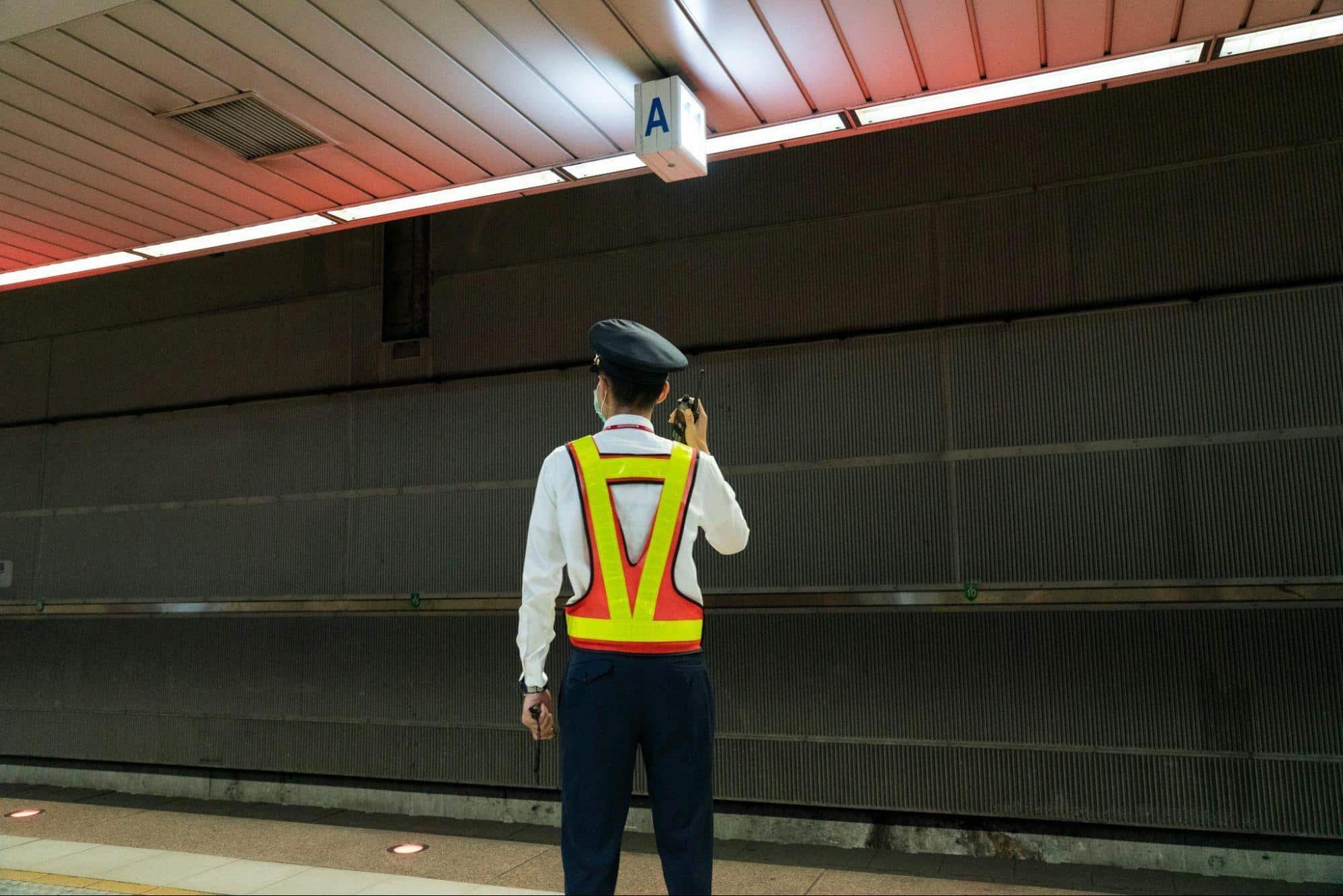
When comparing a security officer and a security guard, the most important consideration is not the job title, but the standards behind the personnel you hire.
At Shine Security, every officer deployed is fully licensed by the PLRD and certified under WSQ requirements. This ensures that all personnel meet Singapore’s strict regulatory standards, including physical and mental fitness and a clean record.
Besides licensing, Shine Security focuses on site-specific onboarding. Each officer gets training tailored to the property’s unique needs, protocols, and escalation steps. This way, they are not just qualified, but also ready to handle the site’s specific challenges.
A 24/7 command centre also supports all officers. Even working alone, they are never on their own. The command centre gives real-time oversight, guidance during incidents, and quick support when needed.
If you’re looking for a reliable security service in Singapore, Shine Security prioritises compliance, accountability, and operational excellence.